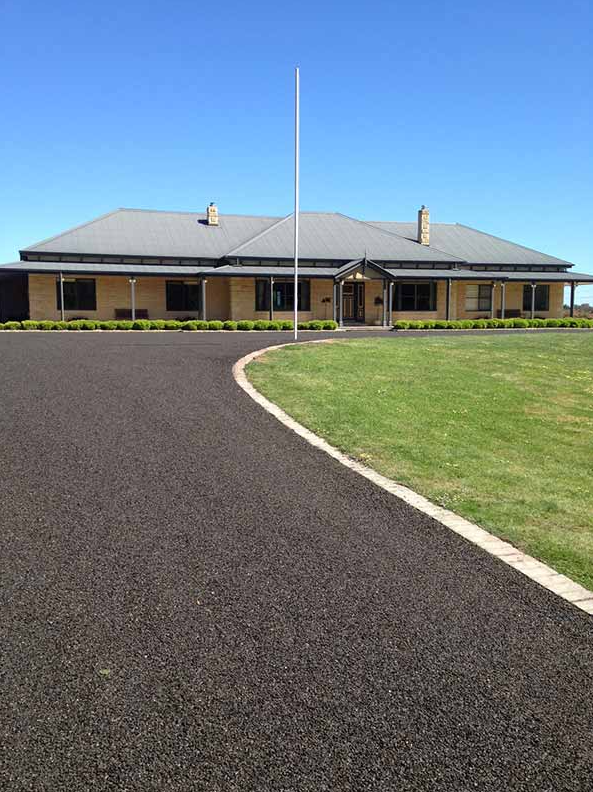
A rough and uneven access road can gradually become more than an inconvenience. Ruts, potholes, corrugations, loose material and poorly formed drainage channels can make everyday vehicle movements less comfortable while allowing the road to deteriorate further. In many cases, professional grading can restore the profile of an unsealed access road and significantly improve its condition.
However, successful grading involves more than simply smoothing the top of the road. For property owners and businesses in Boonah, QLD, the condition of the pavement material, underlying base, drainage and traffic demands all need to be considered. Where deeper structural problems exist, additional preparation may be required before grading can provide a dependable result.
What Does Road Grading Actually Do?
Road grading involves reshaping the existing pavement to create a smoother, more consistent profile. Suitable material can be redistributed across the road to correct irregularities and restore the shape required for reliable vehicle access and effective water runoff.
Depending on the condition of the road, professional grading can help address:
- Wheel ruts
- Corrugations
- Shallow potholes
- Uneven sections
- Loose or displaced pavement material
- Minor erosion
- Poorly formed surface falls
- General deterioration caused by regular traffic
Once the road has been correctly shaped, appropriate compaction helps stabilise the prepared material and establish a stronger trafficable surface.
Why Do Access Roads Become Rough and Uneven?
Access roads rarely deteriorate for only one reason. Traffic, rainfall, drainage and the condition of the underlying pavement all influence how the surface performs.
Repeated vehicle movements can gradually displace loose material and create wheel tracks. Braking and turning can place additional stress on particular sections, while rainfall can wash material away or collect in existing depressions.
Once small irregularities form, they can accelerate further deterioration. A shallow depression collects water, vehicles travel through the weakened area, and the resulting movement gradually creates a deeper rut or pothole.
Professional grading interrupts this process by restoring the road profile, but the cause of the deterioration should also be considered.
Can Grading Remove Corrugations?
Corrugations are the repetitive ridges and depressions that can develop across unsealed roads. They can make driving uncomfortable and may worsen as traffic continues to pass over them.
Proper grading can remove corrugations by reworking the affected pavement material and restoring a consistent profile.
Simply scraping the tops from the ridges may not provide a lasting result. The material needs to be worked appropriately before the road is reshaped and compacted.
If corrugations repeatedly return shortly after grading, contractors may need to investigate the condition of the pavement material and the way traffic is using the road.
What About Wheel Ruts?
Wheel ruts develop where vehicle tyres repeatedly travel along the same sections of an access road.
Shallow rutting can often be corrected through professional grading. Suitable material is redistributed to restore the road profile before compaction helps stabilise the repaired surface.
Deep ruts deserve closer investigation. If the pavement underneath has become weak or unstable, simply filling the depressions may not prevent them from returning.
Where necessary, failed sections should be repaired or strengthened before the final grading work is completed.
Can Grading Repair Potholes?
Grading can help correct minor potholing on an otherwise stable unsealed access road, but the cause and depth of the potholes matter.
Loose material should not simply be dragged into deep potholes without preparation. If the underlying section is soft, saturated or structurally weak, the newly placed material can quickly become displaced again.
Recurring potholes may indicate problems with drainage or the pavement base. These conditions should be addressed before the road is graded and compacted.
The objective is to restore a stable pavement rather than temporarily hide the visible damage.
Correct Grading Helps Improve Drainage
One of the most valuable aspects of professional grading is the opportunity to improve the way rainfall moves across the road.
An access road should have an appropriate profile that encourages water to leave the trafficable surface instead of travelling along wheel tracks or remaining in depressions.
Poor drainage can contribute to:
- Pothole development
- Surface erosion
- Washouts
- Soft pavement sections
- Edge deterioration
- Deepening wheel ruts
Restoring suitable surface falls can reduce these problems, provided there is an effective route for water to continue moving away from the road.
For access roads in Boonah, QLD, drainage should therefore be considered alongside the grading work rather than treated as a separate issue.
Why Compaction Matters After Grading
A newly graded road may appear smooth, but its long-term performance also depends on how effectively the prepared pavement is compacted.
Loose material can move under vehicle tyres, particularly along frequently travelled wheel paths. Without adequate stability, the road may begin developing irregularities again relatively quickly.
Compaction helps consolidate the prepared material and create a more stable pavement structure. Grading and compaction therefore work together when restoring an access road.
When Might Additional Material Be Required?
Grading redistributes suitable material already present on the road, but it cannot replace material that has been lost through significant erosion, washouts or prolonged deterioration.
If sections have become too thin or the existing pavement material is unsuitable, additional material may need to be introduced.
This allows the required road profile and pavement depth to be restored rather than attempting to stretch inadequate material across the entire surface.
A professional assessment can identify where additional pavement preparation is necessary before final grading takes place.
When Is Grading Alone Not Enough?
There are circumstances where reshaping the road will not address the underlying problem.
Additional repair work may be required where there is:
- Widespread base instability
- Deep or recurring potholes
- Significant washouts
- Persistent soft areas
- Severe erosion
- Deep rutting that quickly returns
- Major loss of pavement material
- Poor drainage beyond the road surface
In these situations, damaged sections may need to be excavated, rebuilt or strengthened before grading can provide a reliable finished surface.
This is why identifying the cause of a rough road is more valuable than simply making it look smooth again.
Grading Before Asphalt or Bitumen Surfacing
Professional grading can also form an important stage when preparing an access road for asphalt or spray & seal bitumen.
A sealed surface performs best when it is constructed over a stable, correctly shaped and adequately compacted pavement. Existing potholes, weak areas, poor levels and drainage problems should therefore be addressed before surfacing begins.
Grading helps establish the correct road profile and prepares the base for subsequent work.
Applying asphalt or bitumen over an unstable or badly shaped pavement does not remove the weaknesses underneath. Good preparation remains fundamental to long-term surface performance.
How Professional Grading Adds Value
Effective grading requires judgement about more than where the obvious bumps and depressions are located.
An experienced contractor can assess how the road has deteriorated, where water is travelling, whether the existing material is suitable and whether sections of the base require additional attention.
The road can then be repaired according to its actual condition.
For an access road in Boonah, QLD, this might mean grading and compaction alone. On a more deteriorated surface, it could involve base repairs, additional pavement material, drainage improvements and preparation for asphalt or bitumen surfacing.
Maintaining the Road After Grading
A restored access road should continue to be monitored after grading.
Early signs of new rutting, potholes, erosion or water pooling can reveal where maintenance is required before significant deterioration develops again. Drainage routes should also remain clear so rainfall can continue moving away effectively.
The frequency of future maintenance will depend on traffic, weather exposure, pavement construction and the condition of the road.
Taking action while defects remain relatively minor can help preserve the improved road profile for longer.
Conclusion
Professional grading can significantly improve a rough and uneven access road by correcting ruts, corrugations, minor potholes, displaced material and poor surface levels. When combined with suitable compaction and effective drainage, it can restore smoother and more dependable vehicle access.
Grading does have limitations. Deep potholes, unstable base materials, major washouts, severe erosion and recurring deformation may require additional pavement repairs before the road can be successfully reshaped. Assessing these underlying conditions helps ensure the work addresses the cause of deterioration rather than only improving the surface temporarily.
Boonah Asphalt & Bitumen Surfacing provides professional grading, pavement preparation, asphalt and bitumen surfacing services in Boonah, QLD. If your access road has become rough, rutted or uneven, contact our team to have its condition assessed and discuss the most appropriate way to restore the surface.
Call us on: 07 5241 1492
Click here to find out more about Boonah Asphalt & Bitumen Surfacing
Click here to complete our contact form and see how we can help with your Asphalt and Bitumen Surfacing needs.